Skin services
Dermaplaning in Highland Park
Instant smoothness and a polished, makeup-ready canvas.
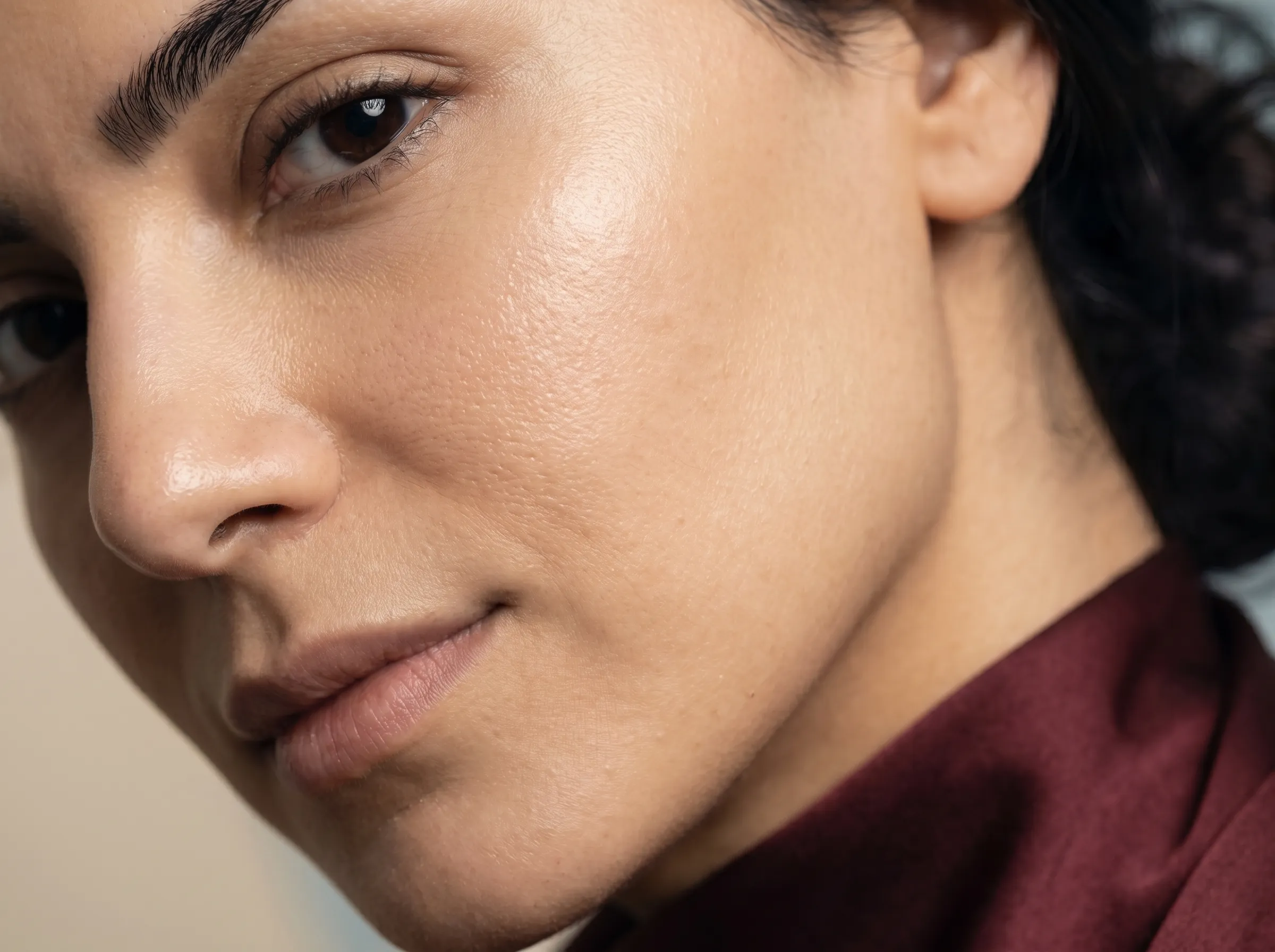
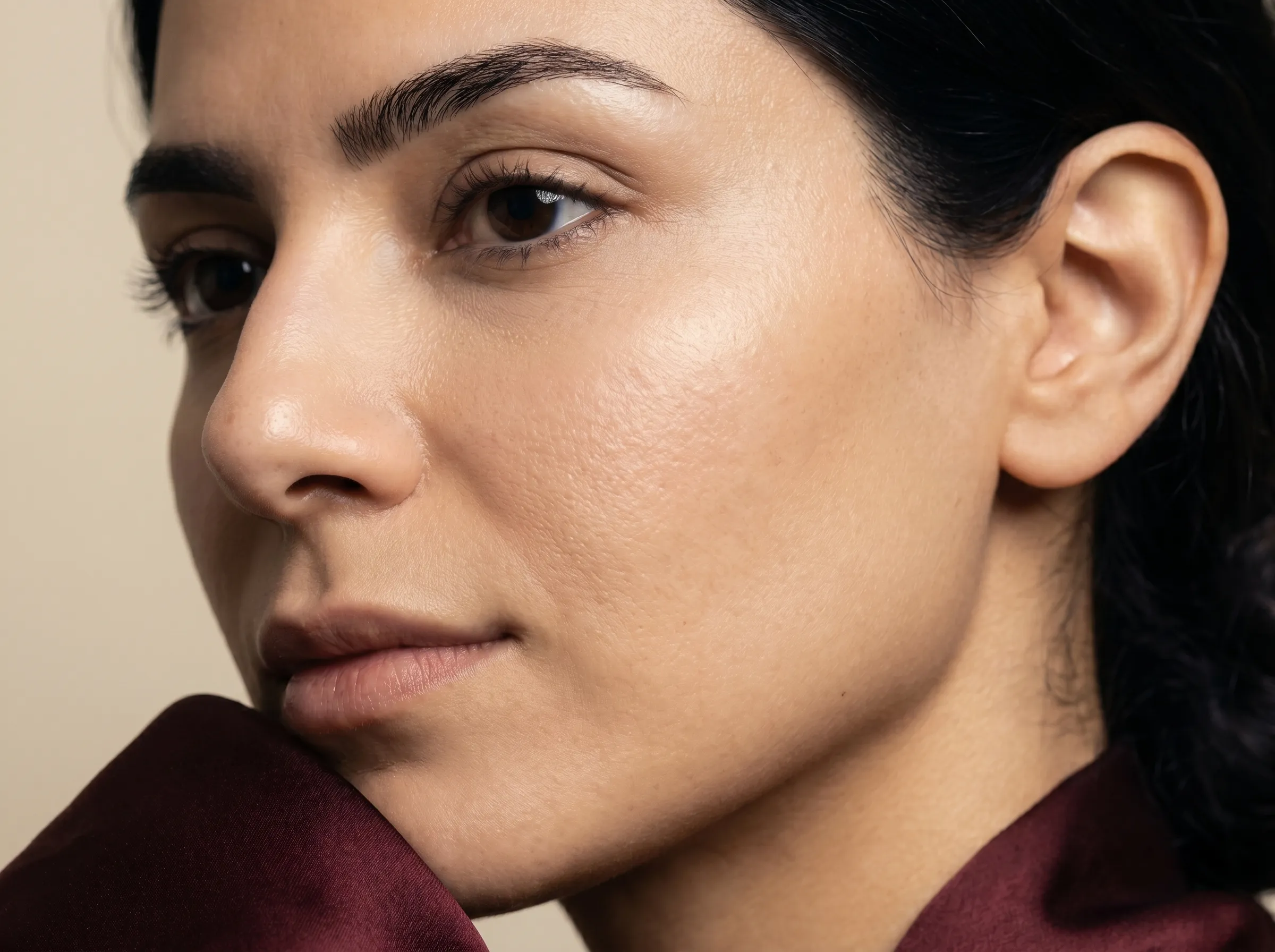
Some skin asks for very little. A single, precise pass — and a fresh start. Dermaplaning at PureSkin Dallas is exactly that: a fine, sterile blade drawn at a careful angle across the surface, skimming away dull, lifeless surface cells and the soft vellus hair most of us call “peach fuzz.” What’s left looks instantly smoother, brighter, more polished — the kind of refined, lit-from-within finish that usually takes a whole routine to chase. Here in Highland Park it happens in one quiet session, on the table, in real time.
Naimeh approaches it as something closer to a craft than a procedure. Before the blade ever touches your skin, she reads it — its texture, its tone, how it’s behaving that particular week — and decides how much exfoliation it actually wants. Some faces can take a full, thorough pass; others are happier with a lighter, more measured touch. That judgment is the whole point. Dermaplaning at PureSkin is never a fixed setting you’re slotted into; it’s tuned to how your skin tolerates exfoliation that day, so it always feels like care made for you rather than care done to you.
There’s no downtime to plan around. You won’t leave red or raw or hiding under a hat — you leave looking refreshed, with a surface so smooth that the first thing most people notice is the way light sits differently on the skin. It’s also why dermaplaning has quietly become a favorite before a wedding, a shoot, or any evening you want to look your most polished: with the fine fuzz and surface dullness gone, makeup glides on and sits flawlessly flat, foundation melts in instead of clinging, and a bare-skin day simply looks more even and considered. The effect generally holds for roughly three to four weeks before the soft surface buildup gradually returns and it’s time for another visit.
Let’s settle the myth gently, because almost everyone asks. The vellus hair grows back exactly as it was — the same fine, soft, pale hair, at the same width and the same softness. Cutting it at the surface changes nothing about the hair itself; it can only change how the regrown edge appears for a few days, which is where the old “it comes back thicker and darker” story comes from. It doesn’t. What you’re removing is fine fuzz and dead surface cells, and what comes back is the same fine fuzz — no coarser, no darker, no different.
It’s worth being just as honest about what dermaplaning is and isn’t for. This is exfoliation, beautifully done — a way to make the surface of your skin look smoother, fresher, and more luminous. It is not a fix for wrinkles, acne scarring, or sun damage, and Naimeh won’t pretend otherwise. If your goals point somewhere deeper than the surface, she’ll tell you plainly and point you toward something better suited — sometimes another treatment in the studio, sometimes a thoughtful pairing. That candor is part of the luxury here: one practitioner, one-on-one, telling you the truth about your skin and building the session around the result it can genuinely give you.
From the Journal
Good to know
- Does it hurt?
- No. There’s no needling and nothing invasive — just a fine blade drawn lightly across clean, dry skin. Most clients describe it as oddly soothing, a gentle, feathery scratching sensation and nothing more. Naimeh adjusts her pressure and pace to what your skin is comfortable with, so it stays relaxing from start to finish.
- Is there any downtime?
- None. You can walk straight back into your day — or straight to dinner. Skin may look a touch brighter or feel slightly more sensitive to the sun right after, so Naimeh will send you off with simple aftercare, including sunscreen. Makeup goes on beautifully the same day, which is exactly why so many people book it before an event.
- Will the peach fuzz grow back thicker or darker?
- It won’t. The hair returns exactly as it was — the same fine, soft, pale vellus hair, at the same width. Removing it at the surface can’t change the hair itself; the “thicker and darker” idea is a myth. You’ll simply notice the soft fuzz and surface smoothness slowly returning over about three to four weeks, which is the natural cue to come back in. Read more in the Journal note on dermaplaning vs shaving.
- How often should I come in?
- For most people, every three to four weeks keeps the look consistently smooth and polished, since that’s roughly how long the fresh, refined finish tends to hold. There’s no rule, though — Naimeh will look at your skin and your routine and suggest a rhythm that suits you, rather than a one-size schedule.
- How should I prep, and who is it best for?
- Very little prep is needed: come with clean skin and pause any strong exfoliating actives (like retinoids or acids) for a few days beforehand, and let Naimeh know what you’re using. It suits most skin types and is a lovely choice when you want instant smoothness and a flawless makeup canvas. If you’re mid-breakout or have very reactive, inflamed skin, mention it when you book — Naimeh will assess in person and recommend the right approach for you, which sometimes means waiting or choosing a gentler option. Individual results vary.